

Advanced Lithium Storage and Battery Management Systems
A comparative engineering overview of Lithium Iron Phosphate technology against traditional lead-acid systems, focusing on cycle life, DoD, and BMS safety.

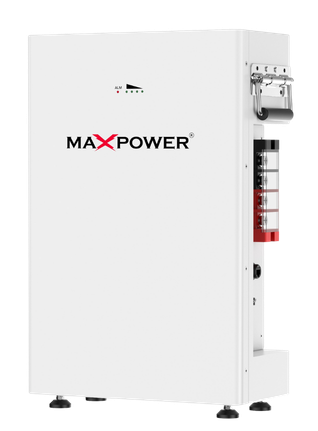
The $LiFePO_4$ Revolution: Why Premium Lithium Storage is Essential for Critical Infrastructure
Energy storage architecture has undergone a massive paradigm shift with the commercial maturity of Lithium Iron Phosphate ($LiFePO_4$ ) chemistry. When evaluated against traditional flooded or sealed lead-acid configurations, lithium systems offer unmatched energy density, a drastically reduced footprint, and an exceptional cycle life, frequently exceeding 4,000 to 6,000 charge-discharge cycles at an aggressive 90% Depth of Discharge (DoD) without significant capacity degradation.
The operational longevity and safety of these cells are governed by an integrated Battery Management System (BMS). The BMS is a critical electronic oversight layer that continuously monitors localized cell voltage, structural current, and real-time thermal baselines.
It dynamically balances the internal cells during charging cycles and implements active protective cut-offs against over-charging, deep over-discharging, and thermal runaway conditions. This intrinsic chemical and electronic stability makes premium lithium storage the benchmark choice for mission-critical sectors—such as banking infrastructure, continuous medical facilities, and automated industrial plants—demanding flawless 24/7 power continuity under harsh ambient conditions.
Tags:
SolarShare this post:
Related Posts
A technical guide exploring how center pivots and heavy-duty submersibles operate seamlessly directl...
An in-depth look at how multi-port hybrid inverters manage power distribution and routing between so...

A financial and engineering breakdown of how commercial and industrial enterprises calculate payback...