

Engineering ROI & Levelized Cost of Energy (LCOE)
A financial and engineering breakdown of how commercial and industrial enterprises calculate payback periods and mitigate long-term operational costs via solar assets.

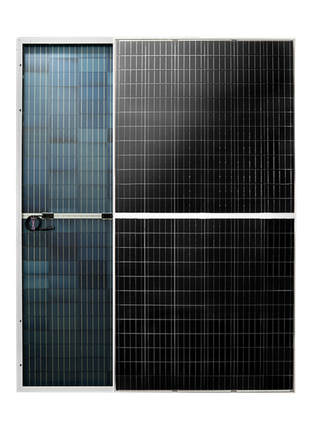
Expenditure to Profit: Calculating ROI and LCOE in Commercial Solar Deployments
Deploying solar assets within the commercial and industrial (C&I) sectors requires meticulous technical and financial auditing. Engineering firms evaluate the true economic viability of these projects using the Levelized Cost of Energy (LCOE) framework. LCOE calculates the total lifetime capital expenditure ($CAPEX$ ), combined with forecasted operational and maintenance costs ($OPEX$ ), divided by the cumulative megawatt-hours ($MWh$ ) the system is engineered to generate over its guaranteed 25-year lifespan.
Empirical operational data indicates that the initial $CAPEX$ of a custom-engineered industrial solar plant is typically recovered within a rapid payback window of 2 to 4 years, largely dictated by local fuel displacement ratios and tariff structures.
Once the capital amortization phase is complete, the asset produces electricity at a near-zero $OPEX$ , restricted primarily to routine scheduled maintenance and array cleaning. This permanent reduction in overhead directly translates into increased corporate profitability, providing manufacturing facilities and commercial enterprises with a decisive, predictable macroeconomic advantage over competitors relying on volatile fossil fuel grids.
Share this post:
Related Posts
A technical guide exploring how center pivots and heavy-duty submersibles operate seamlessly directl...
A comparative engineering overview of Lithium Iron Phosphate technology against traditional lead-aci...
An in-depth look at how multi-port hybrid inverters manage power distribution and routing between so...